
Chris Hawkins – Using Nature to Build Healthier & More Equitable Communities
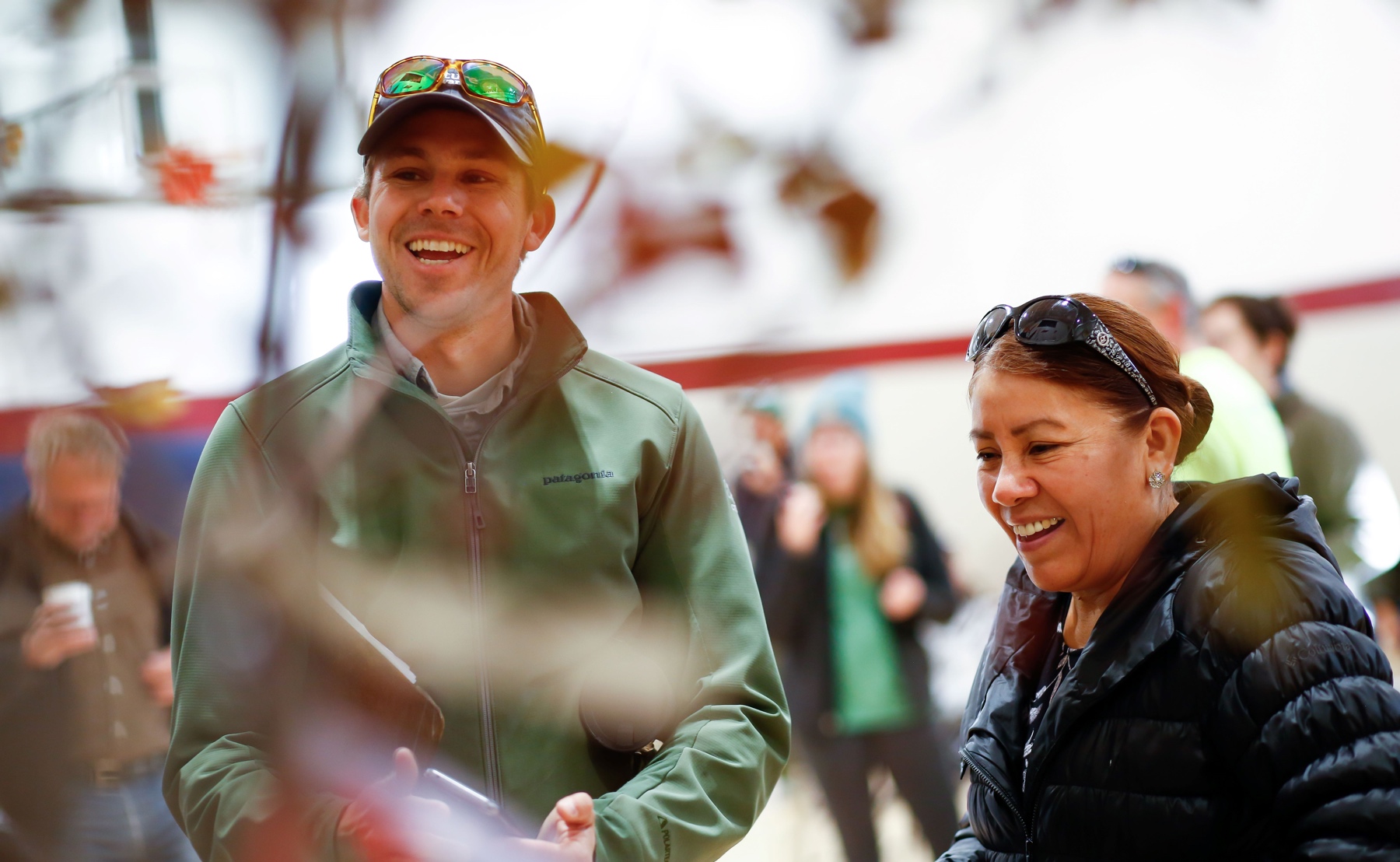

Chris Hawkins is the Colorado Urban Conservation Manager for The Nature Conservancy, where he leads the organization’s efforts in Denver to “solve global challenges like the biodiversity and climate emergencies by supporting and creating more sustainable, efficient ways of living.”
When many people think of The Nature Conservancy, they may envision large-scale conservation efforts across vast grasslands and wild landscapes– but TNC also conducts some of its most innovative conservation work in cities— work that leads to more resilient, healthy, and equitable communities. Chris’s work in Denver is a shining example of how nature-based solutions in densely populated urban areas can have positive ripple effects far beyond the city limits.
Chris was born and raised on the east coast, attended college in Boston, and from the very beginning of his career, he’s been focused on service and causes greater than himself. He’s worked as a Corps Member of AmericaCorps, as Chief of Staff in New York City’s Department of Environmental Protection, and for the past nine years, he’s been with the Nature Conservancy. As you’ll hear in this conversation, Chris’s diverse professional experiences have allowed him to bring a unique and effective perspective to the complex world of urban conservation.
Chris was nice enough to join me at my dining room table for an engaging and educational conversation about all things urban conservation. We started out by discussing why TNC has chosen to devote its resources and expertise to conservation in cities, and he explains the unique challenges facing cities in the West. We discuss how public health is directly related to people’s access to nature, and how the simple-but-not-easy strategy of planting trees in neighborhoods can have huge conservation and public health benefits. As is the case with all of my conservation-related conversations, we discuss the critical importance of relationships, and how Chris has managed to build relationships with a diverse group of Denver residents. We also discuss his professional trajectory, the importance of exporting urban conservation ideas to other cities, and the critical roles of mayors and local leadership. And finally, Chris is a serious history buff, so we have a great discussion about books.
There is so much fascinating information packed into this episode, and I greatly appreciate Chris’s taking the time to share his wisdom with the Mountain & Prairie community. Check out the episode notes below for links to everything we discuss. I hope you enjoy this conversation as much as I did.
Photos courtesy of Chris Hawkins and The Nature Conservancy
LISTEN & DOWNLOAD:
Download on Apple Podcasts
Download on Spotify
Download on Google Podcasts
…or wherever you get your podcasts!
EPISODE PARTNER:
This episode is brought to you in partnership with the Colorado chapter of The Nature Conservancy. Guided by science and grounded by decades of collaborative partnerships, The Nature Conservancy has a long-standing legacy of achieving lasting results to create a world where nature and people thrive.
On the fourth Tuesday of every month throughout 2023, Mountain & Prairie will be delving into conversations with a wide range of The Nature Conservancy’s leaders, partners, collaborators, and stakeholders, highlighting the myriad of conservation challenges, opportunities, and solutions here in the American West. You can access all of the 2023 episodes here.
To learn more about The Nature Conservancy’s impactful work in Colorado and around the world, visit www.nature.org/colorado
RESOURCES:
Topics Discussed:
- 3:45 – Why do Chris and TNC work in cities
- 7:00 – Thriving cities in the West and the unique challenges they present
- 9:30 – Whether or not the health benefits of the outdoors have become a larger part of Chris’s work recently
- 15:30 – Discussing trees
- 27:45 – How Chris builds relationships in his work in cities
- 33:45 – Specific strategies Chris uses to build trust
- 38:30 – Where Chris grew up and why he became involved in this work
- 43:30 – Discussing the work of city mayors
- 53:00- How ideas that are exported or imported between cities show up in Chris’s work in Denver
- 1:00:15 – Chris’s book recommendations
Information Referenced:
- Chris Hawkins
- Jaime González
- The Nature Conservancy
- The Nature Conservancy in Colorado
- TNC Cities program in Denver
- Global Cities Program, TNC
- The Nature Conservancy in Kentucky
- The Nature Fix by Florence Williams
- Last Child in the Woods by Richard Louv
- Melissa McHale
- Globeville, Denver
- Elyria-Swansea, Denver
- Office of Climate Action, Sustainability, and Resiliency, Denver, CO
- Carlos Fernández
- Matt Moorhead and Galen Guerro-Murphy
- Dr. Katherine Hayhoe
- Americorps
- Cape Cod
- John Hickenlooper
- Congestion pricing in London
- Yemi Mobolade
- New York Office of Charter Schools
- New York City Office of Sustainability
- New York City Water Board
- Rain garden map of New York City
- Trust for Public Land
- Colorado Cattlemen’s Association
- Green roof ordinance in Denver
- The Power Broker by Robert A. Caro
- Robert Moses
- Grant by Ron Chernow
- Ulysses S. Grant
- Frederick Douglass: Prophet of Freedom by David W. Blight
Enjoy this episode? Then you might like these too:
- Equitable Access to the Outdoors in Texas
- Cole Mannix – Building Community through Land Stewardship and Local Food
- Carlos Fernández, Part 2 – Creating Conservation Opportunities During Uncertain Times
- Douglas Brinkley – Exploring the Past to Find Inspiration for the Future
- Amber Smith – Creating Connection & Community
- Land Tawney – Energetic & Optimistic
- Betsy Gaines Quammen – A Fascinating History of Public Lands in the West
Visit the podcast page for a full list of episodes where you can filter episodes by topic and guests’ vocations.

Matt Moorhead & Galen Guerrero-Murphy – Grasslands Conservation on the Southern High Plains
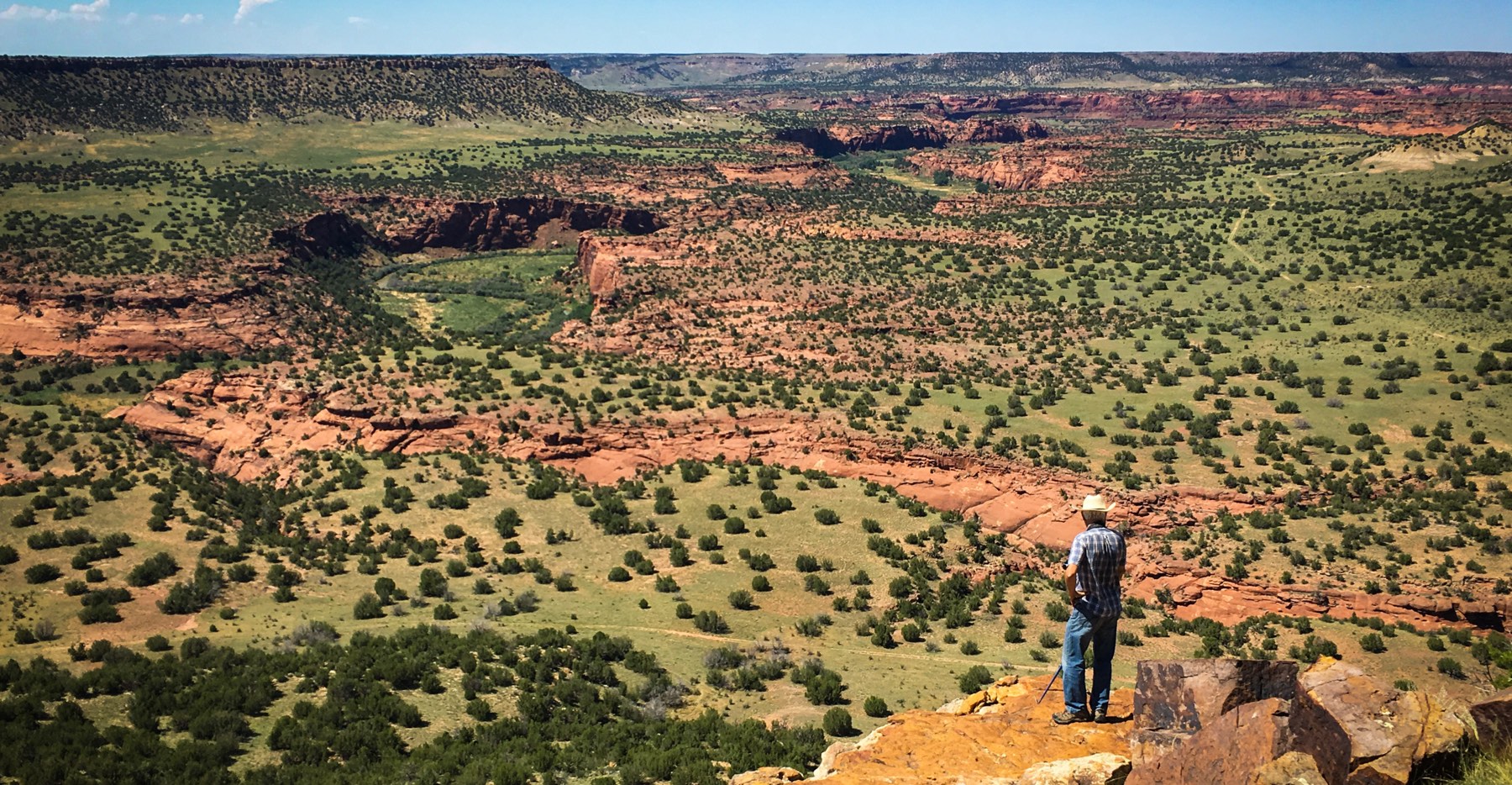
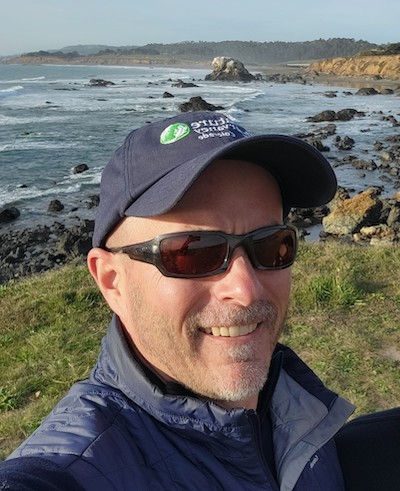
Matt Moorhead and Galen Guerrero-Murphy are conservationists who work for The Nature Conservancy on its Southern Highs Plains Initiative (SHPI), a collaboration between five states with the shared goal of protecting the nation’s grasslands. The Southern High Plains encompasses approximately 71 million acres across Colorado, Kansas, New Mexico, Oklahoma, and Texas. The region is home to some of the country’s most important grasslands, as well as the people and wildlife who depend on the invaluable shortgrass prairie ecosystem.
Officially, Matt is TNC’s Conservation Business & Partnership Development Advisor and Galen is TNC’s Land Conservation Program Manager– but at their core, they are both relationship builders. As you’ll hear in this conversation, both Matt and Galen work tirelessly to build long-term, rock-solid partnerships with landowners and conservation partners with the goal of finding win-win solutions that can be mutually beneficial for all parties. Through genuine curiosity, creative thinking, and a deep respect for landowners and their legacy, Matt and Galen have helped to implement lasting conservation outcomes in the Southern High Plains.
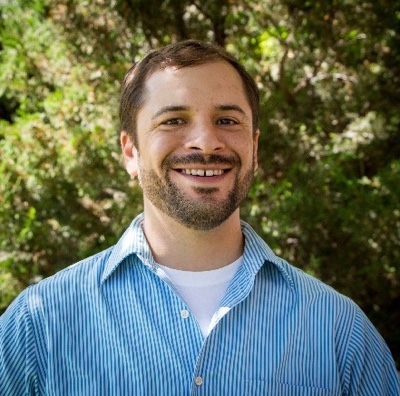
The three of us connected virtually and had a fascinating conversation about grasslands, ranching, buidling relationships, and purpose-driven work. We start out by defining exactly what constitutes the Southern High Plains and why this is such an important region for conservation. We then discuss why the large percentage of private ownership creates such a compelling case for conservation, the need for balancing conservation with various forms of energy development, the current markets around grasslands carbon sequestration, and the all-important role of TNC’s partners. We also discuss Matt and Galen’s mentors, how they measure conservation success, and some of their favorite books.
I’ve considered Matt and Galen to be friends and mentors for many years now, so I was grateful for the opportunity to talk with them on the podcast. Hope you enjoy.
Photos courtesy of The Nature Conservancy, header photo by Lauryn Wachs
LISTEN & DOWNLOAD:
Download on Apple Podcasts
Download on Spotify
Download on Google Podcasts
…or wherever you get your podcasts!
EPISODE PARTNER:
This episode is brought to you in partnership with the Colorado chapter of The Nature Conservancy. Guided by science and grounded by decades of collaborative partnerships, The Nature Conservancy has a long-standing legacy of achieving lasting results to create a world where nature and people thrive.
On the fourth Tuesday of every month throughout 2023, Mountain & Prairie will be delving into conversations with a wide range of The Nature Conservancy’s leaders, partners, collaborators, and stakeholders, highlighting the myriad of conservation challenges, opportunities, and solutions here in the American West. You can access all of the 2023 episodes here.
To learn more about The Nature Conservancy’s impactful work in Colorado and around the world, visit www.nature.org/colorado
RESOURCES:
Topics Discussed:
- 3:10 – Introductions
- 6:25 – What are the Southern High Plains
- 9:55 – Why the Southern High Plains are so critical in conservation
- 16:10 – How the patchwork of private lands in the Southern High Plains allows Matt and Galen to be effective in their conservation work
- 20:55 – The process of building relationships in private lands conservation work
- 29:10 – Balancing the potential for landowners to earn revenue through energy development with the interest in conserving landscapes
- 35:10 – Where things stand on grassland carbon sequestration as a method of generating both landowner revenue as well as conservation outcomes
- 39:10 – The importance and skills of TNC’s partners
- 43:10 – Matt and Galen’s mentors
- 50:10 – What progress on the Southern High Plains Initiative would make Matt and Galen happy in 10-15 years
- 53:40 – Matt and Galen’s book recommendations
Information Referenced:
- The Nature Conservancy, Colorado Chapter
- Matt Moorhead
- Galen Guerrero-Muphy
- Theodore Roosevelt
- Southern High Plains Initiative
- Colorado Cattlemen’s Association
- JE Canyon Ranch
- Arkansas River
- Canadian River
- Sangre de Cristo Mountains
- Santa Fe Trail
- American Serengeti by Dan Flores
- Roaring Fork Valley
- Spanish Land Grants
- Chris Pague
- Dust Bowl
- Colonial Conservation
- TRC Companies
- Pueblo, CO
- UC Davis study – Grasslands More Reliable Carbon Sink Than Trees
- David Smith
- Steve Massey
- John Ehrenfeld
- Palmer Land Conservancy
- Pueblo, Colorado
- The Complete Far Side by Gary Larson
- Celebrating Peanuts: 65 Years by Charles Schultz
- Guns, Germs, and Steel by Jared Diamond
- The Dawn of Everything by David Graeber
- Confessions of an Economic Hitman by John Perkins
- The Tree of Knowledge by Humberto R. Maturana and Francisco J. Varela
- This is Your Mind on Plants by Michael Pollan
- Braiding Sweetgrass by Robin Wall Kimmerer
- Saving Us by Katherine Hayhoe
Enjoy this episode? Then you might like these too:
- Cole Mannix – Building Community through Land Stewardship and Local Food
- Francesca Claverie – A Borderlands Conservation Success Story
- Kate Mannix – A Legacy of Land Stewardship
- Amber Smith – Creating Connection & Community
- Lesli Allison & Tuda Libby Crews – Durable Conservation in the West… and Beyond
- Daniela Ibarra-Howell – Healing the Land Holistically
- Russ Schnitzer – A Life Devoted to Western Landscapes
Visit the podcast page for a full list of episodes where you can filter episodes by topic and guests’ vocations.
Taylor Hawes – Innovative Conservation in the Colorado River Basin
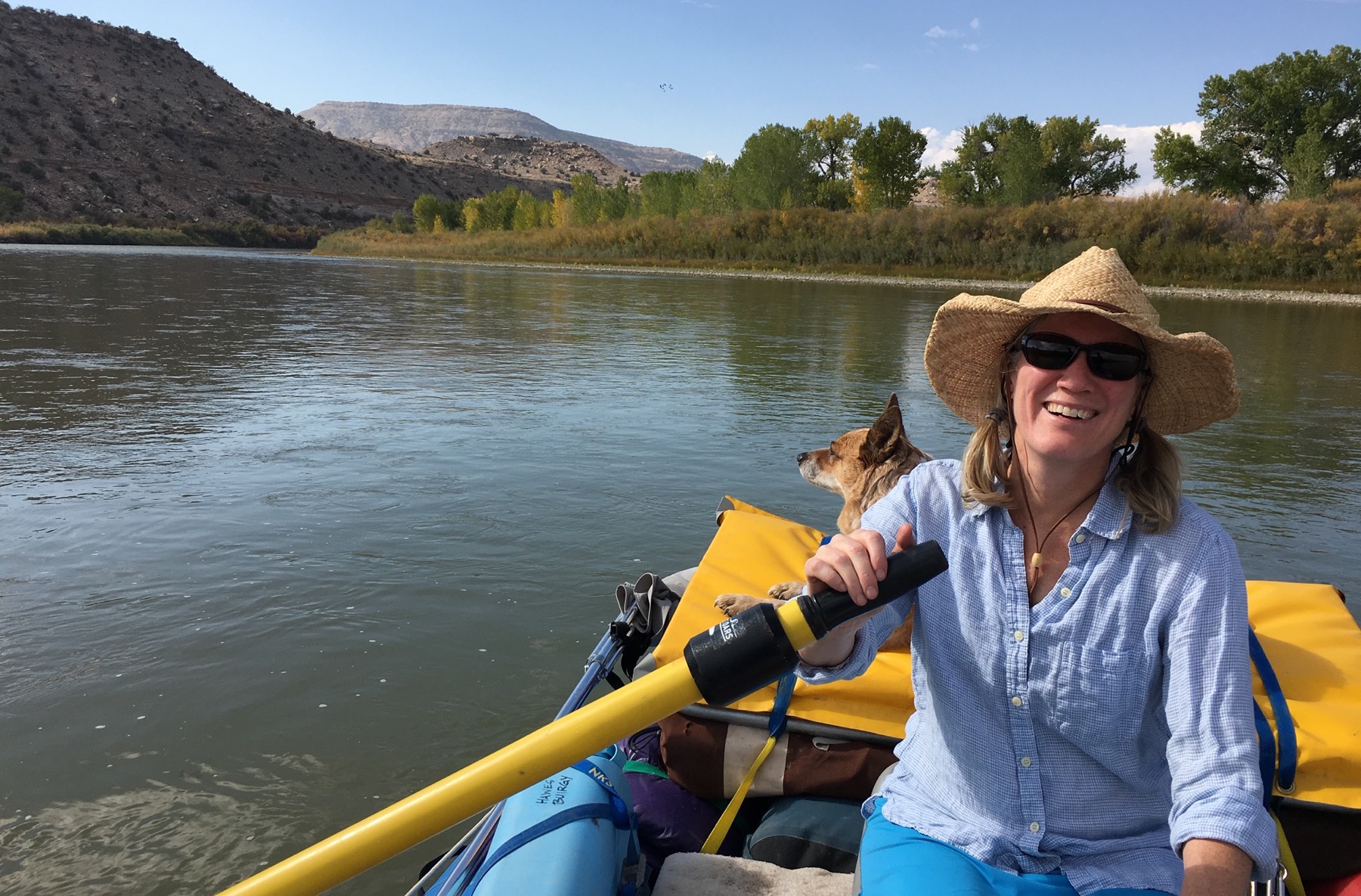
Photo credit: Matthew Staver
Taylor Hawes is the Director of the Colorado River Program for the Nature Conservancy. As the leader of the program, she guides TNC’s efforts to conserve the freshwater biodiversity of the Colorado River Basin while also meeting human demands for water– challenging objectives given the wide-ranging stresses facing the river today. But despite the challenges brought about by climate change, overallocation, and increasing demand, Taylor and her team are making great strides toward finding long-term solutions to create a sustainable future for the Colorado River and the people, plants, and animals that depend on it.
Taylor grew up on the east coast, and, from a young age, she felt a deep connection to land, water, and natural resources. She fell in love with wide-open spaces while on a course with the National Outdoor Leadership School, and she’s devoted her career to protecting land and water in the West. Prior to joining the team at TNC, she served as Associate Counsel to the Colorado River Water Conservation District on Colorado’s Western Slope, working on water quality, water policy, environmental permitting, and water rights litigation.
If you pay attention to the news, then you’ll know that the Colorado River has been receiving tons of media attention for the dire conditions and projections facing the entire region. Reservoirs are at historic lows, temperatures are rising, and the need for more water is increasing. In the first part of this conversation, I ask Taylor to decipher many of the surface-level sound bytes that I’ve heard in the news, and she provides some much-needed context and background regarding the river basin’s current challenges. We then talk about how TNC is working to solve these problems, by building community support, working collaboratively with Tribal nations, and helping agricultural producers become more efficient. And we spend the last part of the conversation talking about Taylor’s professional journey– why she chooses to do this work, what gives her hope, and her goals for her work on the Colorado River.
This was a timely conversation, and I hope it sheds some light on the challenges facing the Colorado River today– and provides some optimism about the river’s future. Thanks to Taylor for taking the time to chat, and thank you for listening.
Photos courtesy of Taylor Hawes and The Nature Conservancy
LISTEN & DOWNLOAD:
Download on Apple Podcasts
Download on Spotify
Download on Google Podcasts
…or wherever you get your podcasts!
EPISODE PARTNER:
This episode is brought to you in partnership with the Colorado chapter of The Nature Conservancy. Guided by science and grounded by decades of collaborative partnerships, The Nature Conservancy has a long-standing legacy of achieving lasting results to create a world where nature and people thrive.
On the fourth Tuesday of every month throughout 2023, Mountain & Prairie will be delving into conversations with a wide range of The Nature Conservancy’s leaders, partners, collaborators, and stakeholders, highlighting the myriad of conservation challenges, opportunities, and solutions here in the American West. You can access all of the 2023 episodes here.
To learn more about The Nature Conservancy’s impactful work in Colorado and around the world, visit www.nature.org/colorado
RESOURCES:
Topics Discussed:
- 3:15 – An overview of the situation regarding Colorado River water
- 8:00 – Discussing the “bandaid” solutions for the overallocated Colorado River implemented over the years
- 10:45 – Who is making the water allocation decisions for the Colorado River
- 12:00 – The breakdown of water use in the West
- 16:45 – Why has this situation has become an emergency right now, meriting the involvement of the federal government
- 19:30 – The timeline of Colorado river use reduction mandates
- 21:30 – The potential impacts of shrinking Colorado River on the Grand Canyon
- 23:00 – What will happen if the Colorado River Basin states do not agree on a plan to reduce water use in accordance with federal mandates
- 24:45 – How Taylor focuses on solutions regarding such a complex, difficult-to-model problem
- 28:30 – Some strategies TNC is employing to support and work with producers in reducing their water use
- 35:00 – Discussing the difficulties and importance of relationship building in this work
- 40:15 – TNC’s work supporting Tribal water challenges
- 44:45 – What drives Taylor’s work and what are her goals
- 47:00 – How Taylor ended up doing this work
- 53:45 – How law school helped Taylor
- 55:45 – What keeps Taylor energized about her work and TNC
- 58:15 – How anybody can get involved in this work
- 1:02:00 – Taylor’s book recommendations
Information Referenced:
- The Nature Conservancy, Colorado
- Taylor Hawes
- 5280 Magazine
- 5280 article with Taylor
- The Colorado River
- The Colorado River Compact
- Colorado River 2007 Interim Guidelines and Drought Contingency Plans
- Bureau of Reclamation
- Lake Powell
- Lake Mead
- SEIS: Supplemental Environmental Impact Statement
- Colorado Water Conservation Board
- Rebecca Mitchell
- Arizona Department of Water Resources
- State of California Colorado River Board
- Denver Water
- San Juan Mountains
- The Emerald Mile by Kevin Fedarko
- Glen Canyon Dam
- Page, AZ
- Navajo Nation
- Boulder, CO
- Acre-foot
- Smallmouth Bass
- CFS – cubic feet per second
- Arkansas River
- Colorado Springs, CO
- Kernza
- Alfalfa
- Hay Grass
- Riparian Doctrine
- Grand Valley
- Verde River
- Phoenix, AZ
- Barley
- Malt House
- Headgate
- Matt Moorhead
- Aaron Derwingson
- Klamath Basin
- Trout Unlimited
- TNC Colorado 2022 Year in Review
- Upper Basin Tribal Dialogue
- Yampa River
- University of North Carolina
- Savannah River
- Richard B. Russell Dam
- Jimmy Carter
- Chapel Hill, NC
- Exxon Valdez Oil Spill
- NOLS
- Prince William Sound
- Time Magazine coverage of the Exxon Valdez Spill
- Booms
- Gila River
- Virgin River
- Colorado River in Crisis podcast
- Audubon Society
- Cadillac Desert by Mark Reisner
Enjoy this episode? Then you might like these too:
- Carlos Fernández, Part 2 – Creating Conservation Opportunities During Uncertain Times
- Dr. Katharine Hayhoe – Effecting Change Through Authentic Conversation
- Pete McBride, Part 2: In Search of Silence
- Frances Ashforth – Art, Water, and Wide-Open Spaces
- Dylan Tomine – Protecting What He Loves
- Alvin Dedeaux – Living His Dream
- Mike Foote – Perfection is in the Process
- Chris Dombrowski, Part 2 – “The River You Touch”
Visit the podcast page for a full list of episodes where you can filter episodes by topic and guests’ vocations.
Dr. Katharine Hayhoe – Effecting Change Through Authentic Conversation
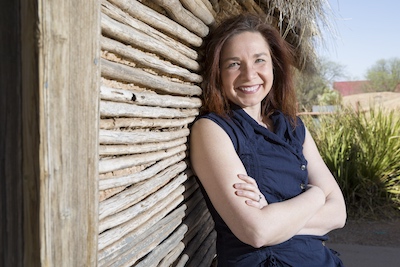
[Photo Credit: Ashley Rodgers]
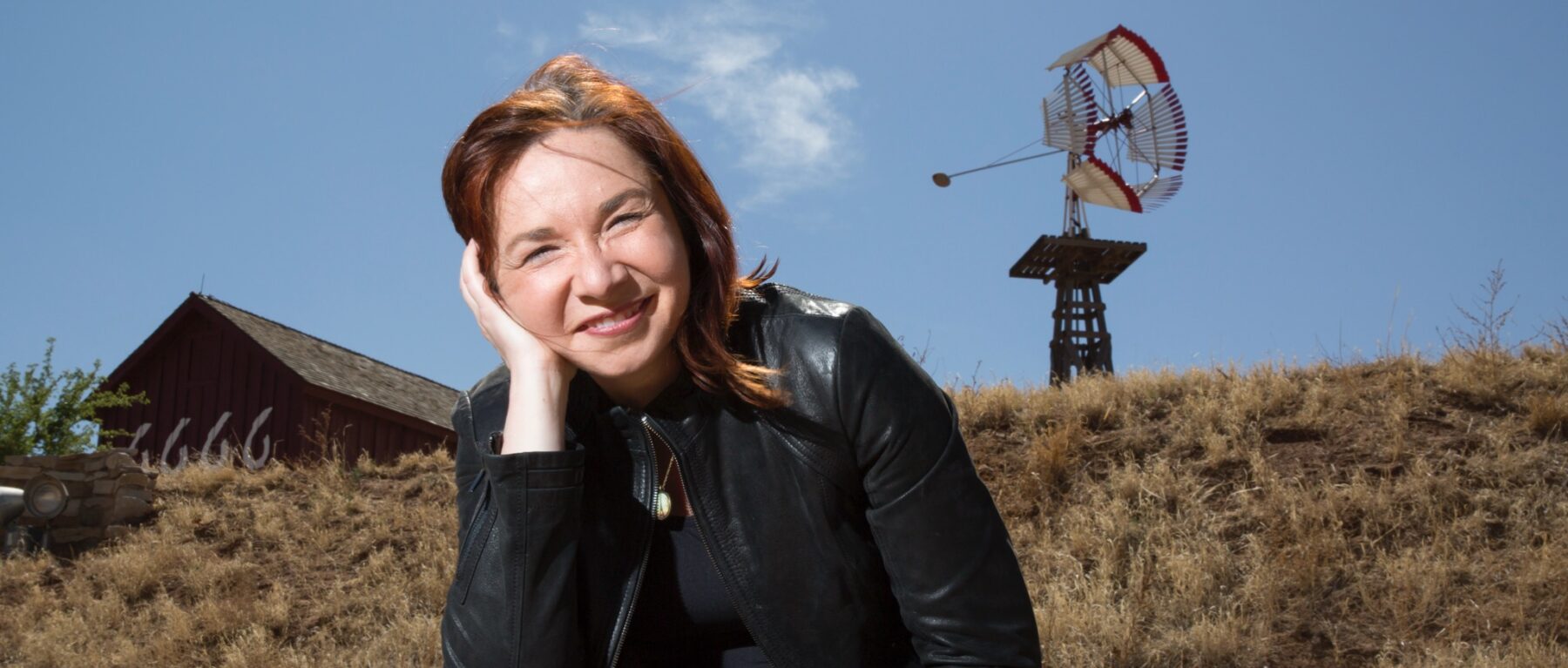
Dr. Katharine Hayhoe is a world-renowned climate scientist, professor, and Chief Scientist for The Nature Conservancy, where she leads and coordinates the organization’s scientific efforts. She is also the author of Saving Us: A Climate Scientist’s Case for Hope and Healing in a Divided World, an excellent book you’ve likely heard me reference on the podcast. Whether you are interested in learning more about the facts, data, or projections regarding climate change, or if you are seeking guidance on how best to approach challenging conversations about climate, I highly recommend Saving Us. It’s an optimistic, solutions-oriented guidebook for finding common ground and having productive conversations.
Katharine was born and raised in Canada and has been obsessed with science, the natural world, and the universe for as long as she can remember. Her undergraduate studies focused on physics and astronomy, but as she was finishing up her degree, she happened to take a climate science course, which captured her imagination and changed the focus of her education and career. Today, Katharine is a distinguished professor at Texas Tech, a highly respected researcher, and a sought-after speaker with a TED Talk that’s been viewed more than 4 million times. And to top it all off, in 2021, she joined The Nature Conservancy as its Chief Scientist.
Katharine and I met up in Steamboat Springs, Colorado, where she was the keynote speaker at a community event focused on climate and climate change in the Yampa Valley and beyond. Katharine and I chatted for an hour before her event, and we managed to cover a lot of ground. We discussed her book Saving Us, her TED talk, and a concept known as “The Six Americas of Global Warming.” We discuss how and why her Christian faith plays such an important role in her work to solve climate change, and she offers some common-sense, optimistic approaches to having challenging conversations with smart people who do not think that climate change is a threat. She also talks about her role at The Nature Conservancy, specific climate opportunities and challenges facing the American West, and she offers a ton of excellent book recommendations.
Thank you to Dr. Hayhoe for taking the time out of her busy schedule to chat with me, and thank you for listening. Hope you enjoy.
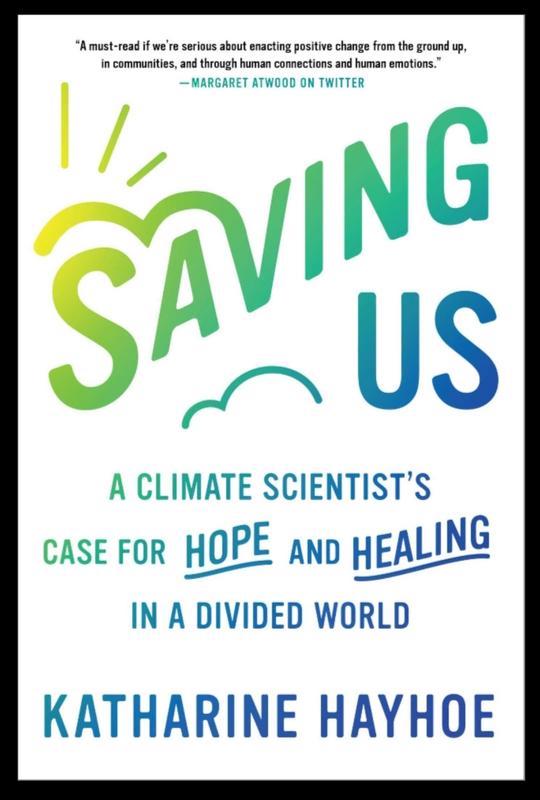
Header photo and headshot by Ashley Rodgers
LISTEN & DOWNLOAD:
Download on Apple Podcasts
Download on Spotify
Download on Google Podcasts
…or wherever you get your podcasts!
EPISODE PARTNER:
This episode is brought to you in partnership with the Colorado chapter of The Nature Conservancy. Guided by science and grounded by decades of collaborative partnerships, The Nature Conservancy has a long-standing legacy of achieving lasting results to create a world where nature and people thrive.
On the fourth Tuesday of every month throughout 2023, Mountain & Prairie will be delving into conversations with a wide range of The Nature Conservancy’s leaders, partners, collaborators, and stakeholders, highlighting the myriad of conservation challenges, opportunities, and solutions here in the American West. You can access all of the 2023 episodes here.
To learn more about The Nature Conservancy’s impactful work in Colorado and around the world, visit www.nature.org/colorado
RESOURCES:
Topics Discussed:
- 3:30 – Why Dr. Hayhoe wrote Saving Us
- 5:45 – Regarding Dr. Hayhoe’s TED Talk
- 8:15 – Discussing The Six Americas of Global Warming
- 12:00 – The relationship between Dr. Hayhoe’s faith and climate work
- 17:45 – When religion and climate change dismissal historically became tied together
- 21:30 – Discussing the balance between fear and guilt as motivating and stagnating forces
- 28:00 – What surprised Dr. Hayhoe in writing the book
- 33:45 – Role-playing how to interact with intelligent people who doubt climate science
- 37:30 – Applying lessons learned from COVID-19 to climate change
- 41:30 – Dr. Hayhoe’s time as a 9-year-old abroad in Columbia and how it influenced her thinking and career
- 46:15 – Why Dr. Hayhoe decided to work with The Nature Conservancy, and the impacts she hopes to make
- 50:15 – The stats Dr. Hayhoe would want to see to feel she has had an impact in five years
- 54:45 – The challenges and opportunities facing the arid West amidst climate change
- 57:00 – Dr. Hayhoe’s reading habits and some books she has loved
Information Referenced:
- Saving Us by Dr. Katharine Hayhoe
- The Nature Conservancy
- Poll Everywhere
- Dr. Hayhoe’s TED Talk (The Most Important Thing to Do to Fight Climate Change is to Talk About It)
- The Yale Program on Climate Change Communications
- Dr. Hayhoe’s conversation with Krista Tippett, On Being Podcast
- Douglas Brinkley
- Silent Spring Revolution by Douglas Brinkley
- Time Magazine climate change cover
- James Hansen
- James Hansen’s climate testimony
- Merchants of Doubt
- Winston-Salem, NC
- Wake Forest University
- R.J Reynolds Tobacco Company
- Boulder, CO
- Colorado Springs, CO
- COP27, Egypt
- EasyJet
- The Influential Mind by Tali Sharot
- American Psychological Association
- Texas Tech University
- Oxfam Sisters on the Planet
- Mangrove Forest
- Papua New Guinea
- Houghton College
- Wesleyan Church
- Brian Webb
- Harvard Extension School
- Citizens’ Climate Lobby
- The Righteous Mind by Jonathan Haidt
- King Tutankhamun
- The Amelia Peabody Series by Elizabeth Peters
- Dr. Ayana Elizabeth Johnson
Enjoy this episode? Then you might like these too:
- Daniela Ibarra-Howell – Healing the Land Holistically
- Marci McLean & Cora Neumann on COVID’s Impact on Native Communities
- Dr. David Hewitt – The Science of Wildlife Conservation
- Shane Doyle – Reverence for the Past, Hope for the Future
- Betsy Gaines Quammen – A Fascinating History of Public Lands in the West
- Pete McBride, Part 2: In Search of Silence
- Chris Dombrowski, Part 2 – “The River You Touch”
- Douglas Brinkley – Exploring the Past to Find Inspiration for the Future
Visit the podcast page for a full list of episodes where you can filter episodes by topic and guests’ vocations.
Carlos Fernández, Part 2 – Creating Conservation Opportunities During Uncertain Times
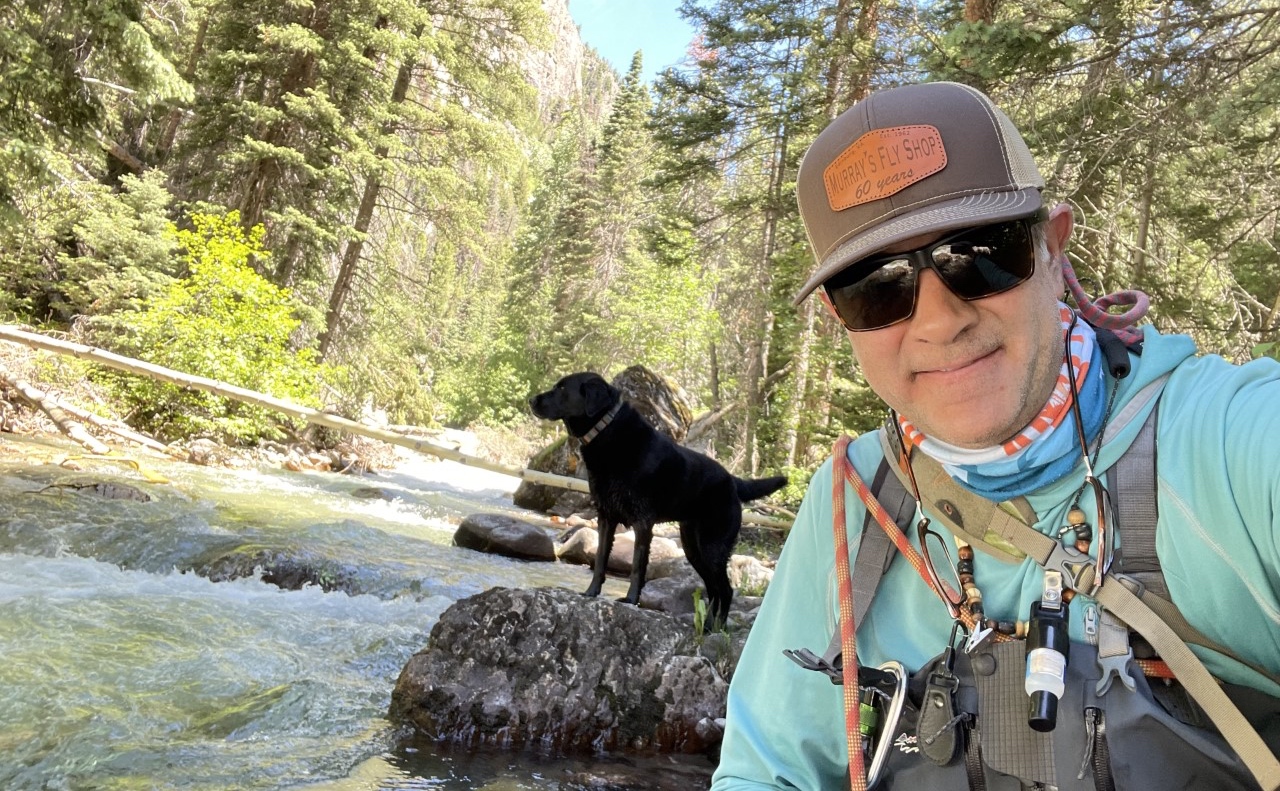
Carlos Fernandez is the Colorado State Director of The Nature Conservancy, one of the most effective conservation organizations in the American West and around the globe. You probably remember Carlos from our first conversation back in August of 2020, in which we discussed his inspiring career trajectory, the importance of collaborative conservation partnerships, and several of TNC’s cutting-edge initiatives throughout the West.
When we recorded that first episode, we were in the very early stages of the pandemic– a time marked by unprecedented uncertainty in almost every aspect of life. When we recorded today’s episode– nearly two-and-a-half years after that first conversation– the worst of the pandemic is now behind us. Carlos was able to look back on that trying period with some perspective, discussing the many challenges and opportunities that arose from such a difficult few years. This conversation is a case study of how critical work can be produced during challenging times, and how optimism, focus, and old-fashioned teamwork can lead to lasting outcomes.
Carlos and I met up at his office in Boulder and had an in-depth conversation about TNC’s conservation initiatives and collaborations over the past few years. I asked Carlos about his leadership strategies and tactics during the most intense days of the pandemic and what he and TNC learned from those challenges. We talk about Carlos’s recent 2022 year-end letter and TNC Colorado’s 2022 Year In Review, and we dig into several inspiring conservation victories from the past 12 months. We also revisit the Southern High Plains Initiative and the Yampa River Fund, and we discuss TNC’s future plans around climate change and diversity, equity, and inclusion. We also talk about this year-long partnership between TNC and Mountain & Prairie, which we are both very excited about.
A huge thank you to Carlos for taking the time to chat, and a huge thanks to all of you for listening. I hope you enjoy!
Photos courtesy of Carlos Fernández
LISTEN & DOWNLOAD:
Download on Apple Podcasts
Download on Spotify
Download on Google Podcasts
…or wherever you get your podcasts!
EPISODE PARTNER:
This episode is brought to you in partnership with the Colorado chapter of The Nature Conservancy. Guided by science and grounded by decades of collaborative partnerships, The Nature Conservancy has a long-standing legacy of achieving lasting results to create a world where nature and people thrive.
On the fourth Tuesday of every month throughout 2023, Mountain & Prairie will be delving into conversations with a wide range of The Nature Conservancy’s leaders, partners, collaborators, and stakeholders, highlighting the myriad of conservation challenges, opportunities, and solutions here in the American West. You can access all of the 2023 episodes here.
To learn more about The Nature Conservancy’s impactful work in Colorado and around the world, visit www.nature.org/colorado.
RESOURCES:
Topics Discussed:
- 3:00 – Carlos discusses the evolution of TNC Colorado during COVID
- 10:00 – Why the eastern plains and grasslands of Colorado are important and such a focus area of TNC Colorado’s work
- 12:00 – The power of partnerships in conservation work
- 14:45 – Why TNC Colorado feels it is important to focus on underserved and underrepresented groups in any work concerning climate change and conservation
- 19:30 – The importance of storytelling in conservation work
- 23:00 – How he and TNC prioritizes the focal points of their work, including who he seeks council from
- 30:45 – What he is excited about for TNC Colorado moving forward
- 33:30 – How he evaluates difficult choices and newest trends in conservation to ensure action is intentional and not controlled by external trends (not chasing every shiny object)
- 36:30 – What he thinks TNC Colorado’s role is in the state’s overall conservation sector, returning again to the importance of partnership and collaboration in this field
- 44:00 – The Yampa River Fund and updates us on its progress
- 49:45 – TNC’s relationships with businesses
- 53:00 – Advice for folks looking to work in conservation
- 56:00 – Carlos and Ed talk about the upcoming podcast series that Mountain & Prairie will be conducting with TNC Colorado
- 59:45 – Book recommendations
- 1:01:45 – Parting words of wisdom
Information Referenced:
- Carlos Fernández’s first interview – The Power of Partnerships
- The Nature Conservancy, Colorado
- Fishers Peak State Park
- Boulder, CO
- Steamboat Springs, CO
- Idaho Springs, CO
- Southern High Plains Initiative
- NRCS – Natural Resources Conservation Service
- TNC Colorado’s 2022 Year in Review
- Dust Bowl
- Colorado River Compact
- Southern Ute Indian Tribe
- Ute Mountain Ute Tribe
- Dr. Katharine Hayhoe
- RCN – Resilient and Connected Network
- Land Trust Alliance
- Great Outdoors Colorado
- Colorado Climate Plan
- Colorado Conservation, Outdoor Recreation, and Climate Resilience Planning
- Keep it Colorado
- Western Dry Forest and Fire Initiative
- Raton Pass
- Santa Fe, NM
- Trinidad, CO
- Colorado Department of Natural Resources
- Trust for Public Land
- Yampa River Fund
- Riparian area
- Yampa Valley Community Foundation
- Steamboat Ski Company
- Big Agnes
- Friends of the Yampa
- Eagle River
- San Juan River
- San Miguel River
- Telluride, CO
- Telluride Foundation
- Palmer Land Conservancy
- Colorado Outdoor Recreation Industry Office
- Smart Wool
- VF Corporation
- TNC Careers
- Next 100 Colorado
- Rick Ridgeway
- Saving Us by Catherine Heyho
- The Ministry for the Future by Kim Stanley Robinson
- Michael Bennet
- Joe Neguse
- David Gessner
- Mark Kenyon
- Steven Rinella
- Adam Gall
Enjoy this episode? Then you might like these too:
- Francesca Claverie – A Borderlands Conservation Success Story
- Nate Schweber – A Forgotten Chapter of American Conservation
- Pete McBride, Part 2: In Search of Silence
- Rick Ridgeway – Purpose-Driven Adventurer
- Land Tawney – Energetic & Optimistic
- Liz Moore – For the Love of Montana
- Kate Mannix – A Legacy of Land Stewardship
- Lesli Allison & Tuda Libby Crews – Durable Conservation in the West… and Beyond
Visit the podcast page for a full list of episodes where you can filter episodes by topic and guests’ vocations.